📖Personal Pronouns & Connectors.
Hi dears!!
Les subo para trabajar en esta semana una ficha interactiva sobre
Personal Pronouns y otra sobre Connectors: AND,
BUT. ESTA TAREA NO HAY QUE ENVIARLA. SE AUTO CORRIGE AL FINALIZAR.
La siguiente semana realizaremos una tarea integrando todos los contenidos que
venimos repasando hasta ahora y así daremos cierre a la etapa de diagnóstico.
👉 La primer ficha consta de tres actividades en las
cuales tendrán que remplazar los distintos sustantivos por los pronombres
personales que correspondan (I, HE👨, SHE👩, IT🙀,
YOU, WE, THEY). Si hay alguna palabra que no conocen los
invito a buscar sus significados en diccionarios on-line, como por
ejemplo:🔍 Linguee. (Son muy prácticos).
👉 volver a escribir las oraciones en los casilleros pero
utilizando los conectores: AND, BUT.
Kisses 💙
📚More about numbers!
✋Hi children! I hope you are excellent and enjoying with their families!!👪
⇒Vamos a continuar repasando los números para que pueden adquirirlos bien ya que los vamos a usar mucho en el transcurso de este año y los próximos también. Les adjunto otro sitio con una ficha interactiva para completar on-line. RECUERDEN QUE EL SITIO NOS DA LA POSIBILIDAD DE AUTOCORREGIR. Una vez terminada, clickear FINISH!! y después COMPROBAR MI TAREA. Presten atención a la corrección.
📚Unit 1: The Leopard´s Drum!!
Hi dears and families!!
How are you? Hoy comenzamos a trabajar en la unidad número 1. Como ustedes ya saben, porque se informó en las reuniones de comienzo de ciclo lectivo, en 5to no usamos libro de texto pero si usamos un cuadernillo. La idea es ir subiendo clase por clase las actividades del cuadernillo e ir trabajándolas desde aquí o CLASSROOM. Muchas gracias por la buena voluntad de todos. No desesperen si algo no les sale ya que la mirada que estamos teniendo es la de acompañar a sus hijos en el aprendizaje. Es una nueva manera de aprender a la que todos nos estamos acostumbrando y por tal motivo la forma de evaluar también es distinta. Esto quiere decir que se tienen en cuenta cada uno de los inconvenientes que van surgiendo. En cada clase iré abriendo foros para que pregunten sus dudas. Usenlos ya que son muy prácticos!!
¡¡No duden en consultar!!
📌Quiero agregar que las consignas serán escritas en INGLES pero al lado también se escribirán en CASTELLANO. La idea que es que todos puedan entenderlas.
Muchas gracias a todos!!
The Leopard´s Drum
1. Copiar en la carpeta la fecha y el título y escribir esta primera consigna ahí, junto con su respuesta.
We´re going to read a story from west Africa, about a Leopard which has a huge drum, the one that all the other animals want. Watch the pictures from the story and tell which other animals appear in the story.
Vamos a leer una historia del Oeste de Africa, sobre un leopardo que tiene un enorme tambor, el cual todos los animales quieren y desean. Mirar todas las imágenes que aparecen en la historia y escribir que otros animales aparecen como personajes.
2. Read the story that I have attached and try to undersand it. Pictures are very useful for this purpose. You can look for in on line dictionaries the words you don´t know. Then write in the following forum what is the story about.
Leer la histora que he adjuntado y tratar de entenderla. Las imágenes son muy útiles para este propósito. Pueden buscar las palabras que no conocen en un diccionario on line, como por ejemplo LINGUE. Para entender la historia no es necesario conocer absolutamente todas las palabras sino solo las de contenido importante, como verbos o sustantivos. Una vez leída van a escribir en el siguiente foro, de que se trata la historia según lo que cada uno entendió.
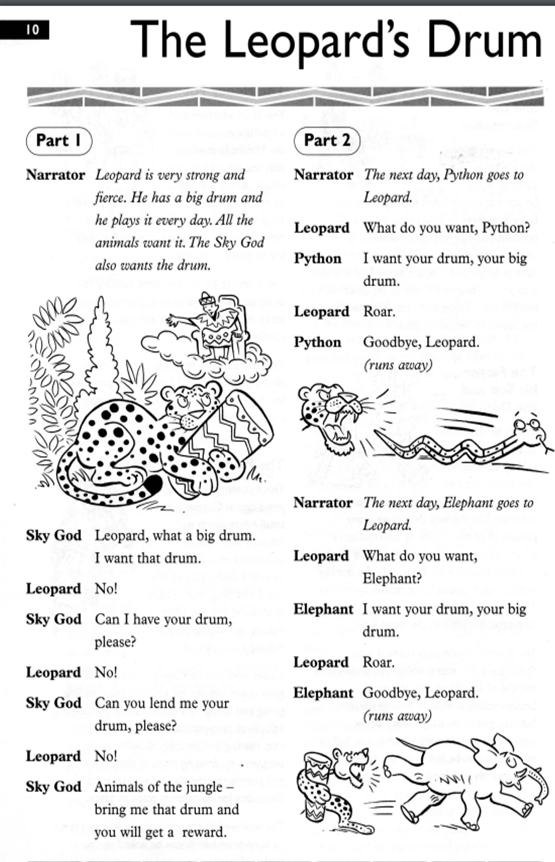
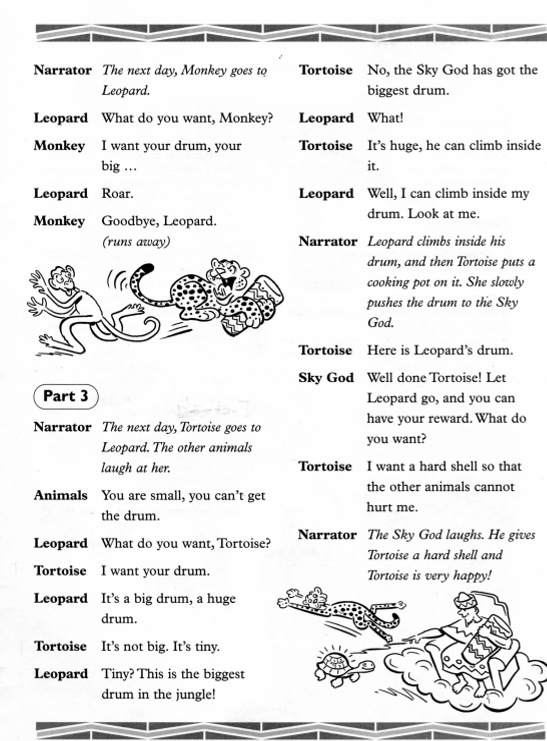
3. After reading the story choose one of the animals and prepare a puppet with the elements you have at home. It could be colour papers, cloth, wood, sticks and whatever. Then you could share a photo of your puppet to this forum.
Después de leer la historia elegir uno de los animales y preparar un títere con los elementos que tengan en casa como papeles de color, tela, lana, palitos, medias, etc, y enviar si se puede una foto al siguiente foro para compartir con el resto de los compañeros.
a lot of hugs!
📖Describing animals
Actividad
Describing Animals
2. Read the animals descriptions and underline sentences where the verb HAS GOT appears. ( Leer las descripciones y subrayar oraciones en donde aparece el verbo HAS GOT.)
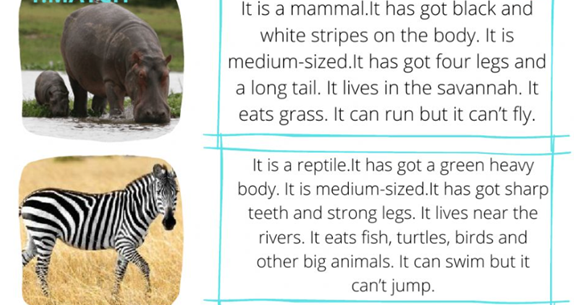
- Solve the following worksheet and discover parts of the animals . Look for words in the dictionary📕🔍
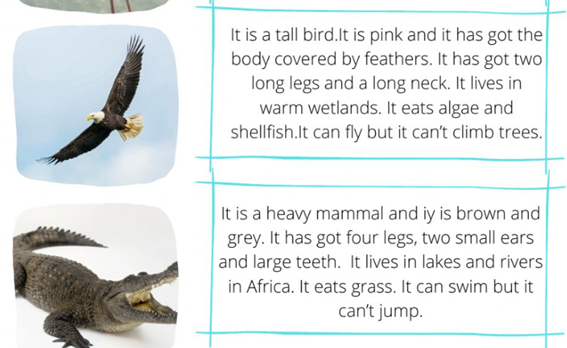
😉👀 Let´s take some examples!! (Tomemos algunos ejemplos).
IT HAS GOT TWO LEGS
IT HAS GOT SHARP TEETH AND STRONG LEGS
IT HAS GOT TWO LONG LEGS AND A LONG NECK
IT HAS GOT LARGE TEETH
👉Utilizamos el verbo HAS GOT para describir las partes del cuerpo de un animal. Recuerden que si nos referimos a un solo animal vamos a utilizar el pronombre "IT".
🕑This is a cat. It has got green eyes.
🕤This is a dog. It has got four short legs.
ACTIVITY:
Choose two animals and write sentences describing the parts of their bodies. (elegir dos animales y describir las partes del cuerpo que tienen)
3. Releer las descripciones de los animales que aparecen arriba y pensemos sobre las siguientes oraciones.
IT LIVES IN LAKES AND RIVERS
IT LIVES IN THE SAVANNAH
IT LIVES IN WARM WETLANDS
Utilizamos el verbo LIVES para contar donde habitan.
IT EATS GRASS
IT EATS FISH, TURTLES AND BIRDS
Utilizamos el verbo EATS para contar de se alimentan.
IT CAN RUN BUT IT CAN´T JUMP
IT CAN FLY BUT IT CAN´T CLIMB TREES
Utilizamos el verbo CAN para contar sus habilidades.
4. Ending activity:
LET´S WORK!! write sentences for each animal using the verbs: HAS GOT, EATS, LIVES, CAN. ( Escribir oraciones para lso siguientes animales utilizando los verbos y sustantivos aprendidos.)
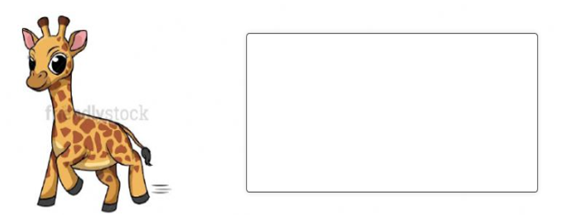

📢Si surgen dudas pueden preguntar por WApp o CLASSROOM.
📖Describing animals.
Actividad
Describing animals!
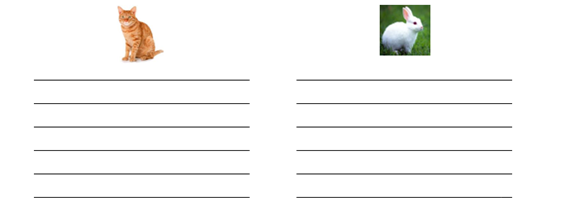
1. Read the riddles and try to guess the animals. (Leer las adivinanzas y adivinar el animal)🔍.
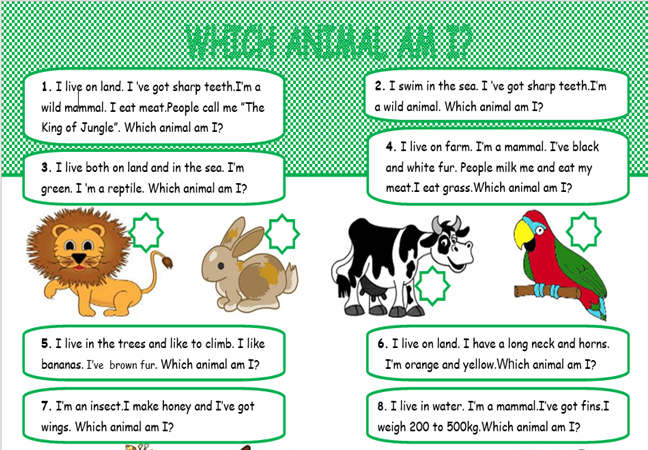
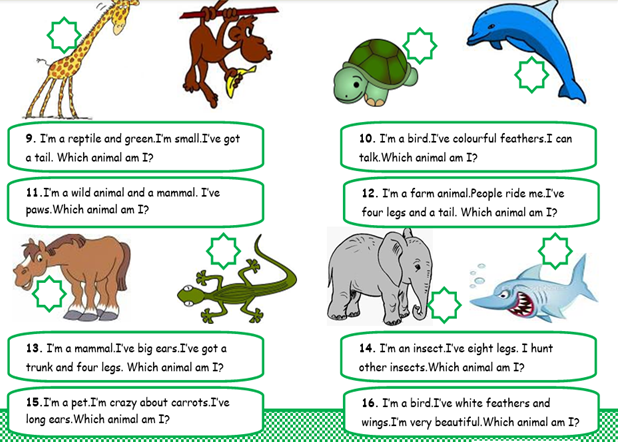
2. Use this information to write about the animals in the pictures.
Utilizar la información para describir los animales. Deben escribir las oraciones y palabras que se encuentran aquí, debajo del animal que corresponda.
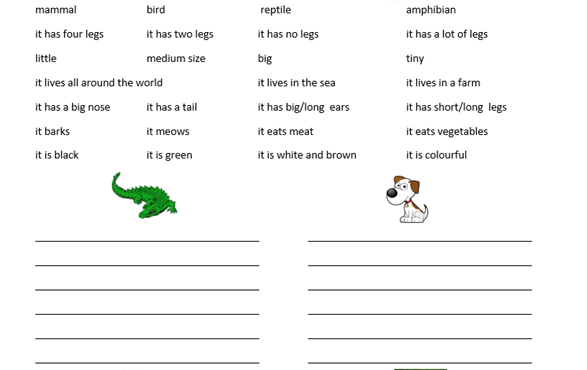
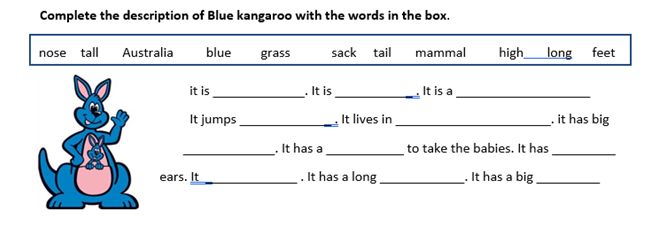
3. Completar la descripción del Kangaroo con la información que aparece en el recuadro.
.
📚Trabajo integrador.
Actividad
¡TRABAJO INTEGRADOR!
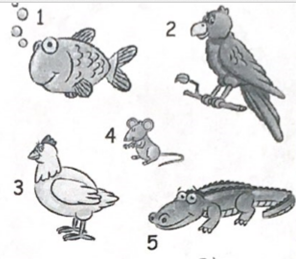
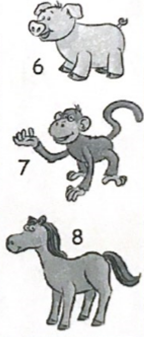
- Read and match (Leer las descripciones y luego unir con las imágenes)
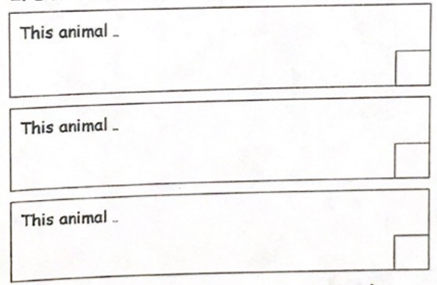
- THIS ANIMAL HAS FOUR LEGS. IT EATS JUST ABOUT EVERYTHING IT FINDS.
IT´S SMALL AND GREY. IT HAS GOT A LONG TAIL. IT IS NUMBER ..............
- THIS ANIMSL HAS TWO LEGS. IT LAYS EGGS. IT CAN´T FLY VERY WELL.
YOU CAN EAT IT. IT WAKES UP EARLY IN THE MORNING. IT IS NUMBER................
- THIS ANIMAL HAS FOUR LEGS. IT LIVES ON THE FARM. IT´S BROWN, WHITE OR BLACK.
IT EATS GRASS. YOU CAN RIDE IT. IT IS NUMBER ...............
2. Describe 3 other animals. Let a member of your family guess!!! ( Tomando como referencia las descripciones que venimos realizando, describir tres animales para que algún miembro de la familia pueda adivinar que animales son. Recuerden utilizar los verbos: EAT, HAS GOT, , LIVE, IS y también los adjetivos que aprendimos en la historia y las actividades que hicimos algunas clases atras.)
3. DRAW AND DESCRIBE YOUR OWN ANIMAL ( dibujar y describir tu propio animal).
_THIS IS MY ANIMAL. _iT IS _________________________________________
_____________________________________________________________________
_____________________________________________________________________
_____________________________________________________________________
📘UNIT 2: The Rich Man and The Shoemaker
Actividad
THE RICH MAN AND THE SHOEMAKER
1. Before reading, look at the pictures and make a list of what you see. ( Antes de leer, observá las imágenes de la historia y hace una lista de lo que ves en ellas.)
2. What do you think is the story about without reading? ( sin leer, escribí en la carpeta de que crees que se trata la historia. Pueden responder en castellano.)
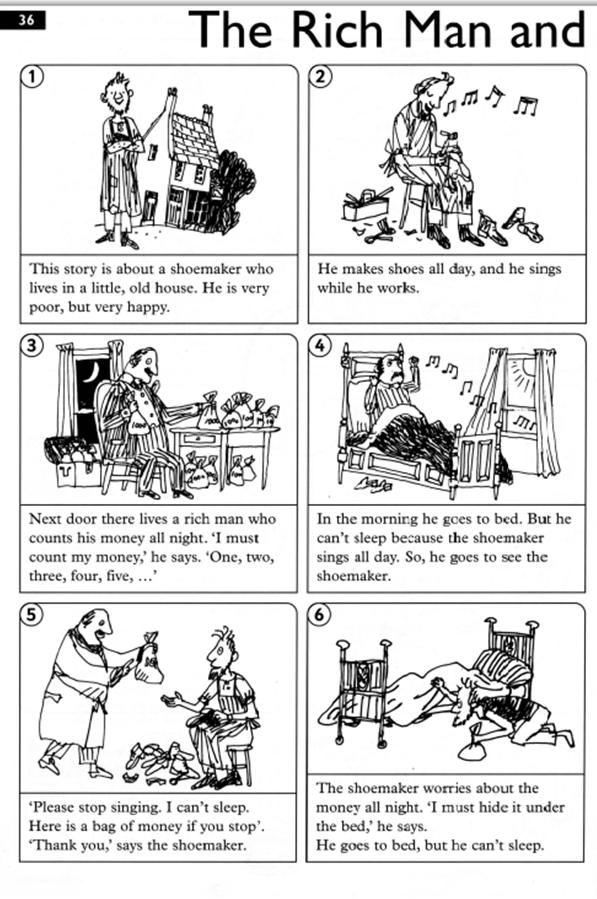
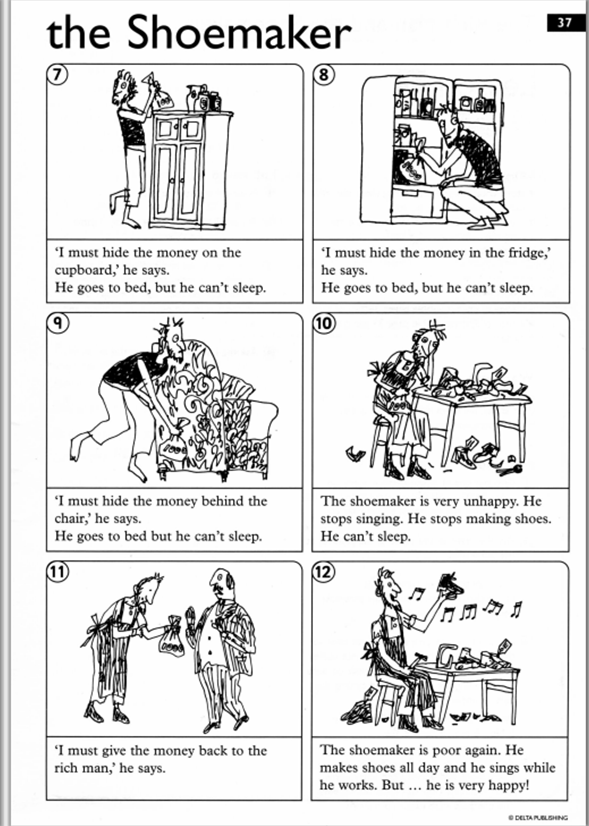
3. Read the story and comment on the forum what the story is about. (leer la historia y comentar en el foro de que se trata. Comparar con los comentarios que hacen tus compañeros. Pueden responder en castellano.)
4. Answer the questions.
a- Does the shoemaker live in a new house?
b- Is the shoemaker rich?
c- Does he sing while he works?
d- Does the rich man count his money all day?
e- Does the rich man sleep at night?
f- Does the shoemaker hide the money behind the cupboard?
g- Does the shoemaker give the money back to the rich man?
h- Is the shoemaker happy again?
5- To conlude, draw the following elements of the story. ( Para terminar, dibujar los siguientes elementos de la historia.)
🅰 An old house
🅱The Shoemaker
🅲A bag of money
🅳The rich man
🅴The cupboard
📙Story vocabulary.
Actividad

- Look for the words in the story and underline them. (Buscar las palabras en la historia y subrayarlas.)

- Match the words from activity 1 to the pictures. Look for meaning in a dictionary if it is necessary. (unir las palabras de la actividad 1 con las imágenes. Buscarlas en el diccionario si es necesario. Pegarlas en la carpeta con.)
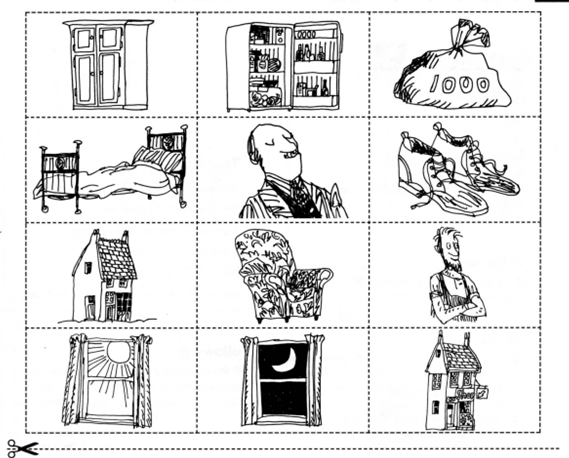
- Let´s Play!!
We are going to play a game called BINGO. (vamos a jugar al BINGO)
Cut out the 12 cards and then cut around your bingo card. (cortar las doce imágenes y luego el cartón del Bingo)
Choose a family member to play and each choose nine cards and place them face up on the Bingo card. (Elegir un familiar para jugar. Cada uno con sus cartas y cartones, elige nueve cartas distintas y las ubica boca arriba en el cartón del BINGO.)
Choose one word and say it out aloud. If one of you have the corresponding picture, turn the card face down. (Alguna persona que este en casa, va a decir una de las palabras en voz alta y si la tengo en mi cartón, la pongo boca abajo. Sigo con el mismo procedimiento hasta que de vuelta todas mis cartas)
Shout BINGO when the nine cards are face down. (El primero en dar vueltas todas las cartas, grita BINGO)
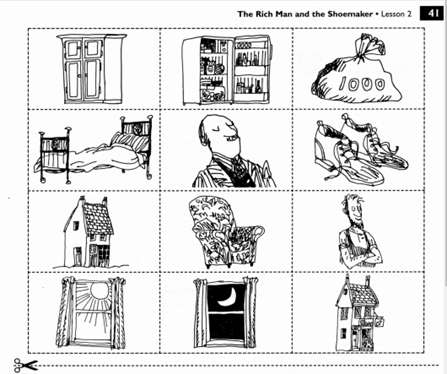
ESTAS SON LAS CARTAS RECORTABLES
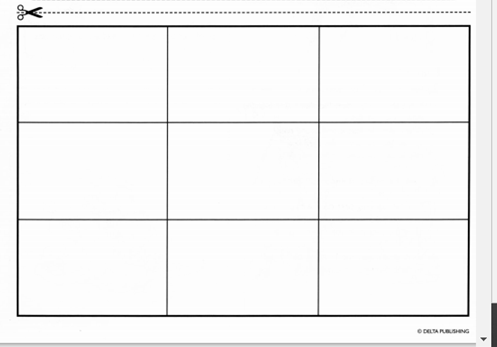
ESTE ES EL CARTÓN DEL BINGO
- Send a photo playing the game (Enviar una foto jugando al bingo.)
🕮Prepositions of place.
Actividad
PREPOSITIONS OF PLACE
- Read the story “The Rich Man and The shoemaker” and look for sentences with the prepositions IN – ON – BEHIND - UNDER. Write the sentences in your folders. (Leer el texto “The Rich Man and The Shoemaker” y buscar oraciones con las preposiciones IN – ON – UNDER – BEHIND. Luego, escribirlas en la carpeta. ¿Qué significan?)
- 👀Watch the video and discover the meaning of the prepositions. Write the ones which do not appear in the story. (Mirar el video y repasar el significado de las preposiciones. Anotar en la carpeta las que no aparecen en la historia, pero si en el vídeo.)
- Read the story The Rich Man and The Shoemaker again and answer: (leer la historia de nuevo y responder.)
👀Where does the shoemaker hide the money the first time? ¿Dónde el zapatero oculta la plata la primera vez?
👀Where does he hide it the second time? ¿Dónde oculta la plata la segunda vez?
👀Where does he hide it the third time? ¿La tercera vez?
👀Where does he hide it the fourth time? ¿La cuarta vez?
Contestar en la carpeta.
👉Listen to the audio and draw in each picture the money. (Escuchar el audio y dibujar en cada imagen la bolsa de plata.)
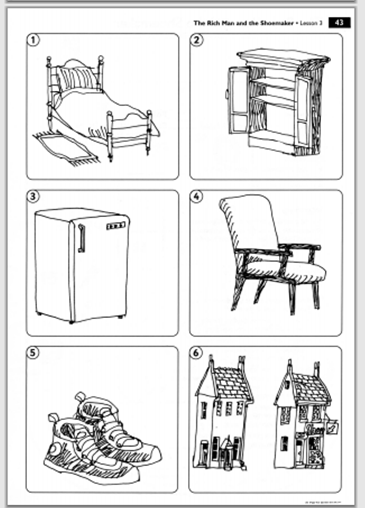
- Then write the sentences you listen in the audio down each picture. (Luego, escribe las oraciones que escuchan en el audio, debajo de cada imagen.)
💪Let´s practice!!
👉Go into the link and complete the activities. Then, check them. (Entrar al enlace y completar las actividades. Luego, auto corregirlas)👇

No hay comentarios.:
Publicar un comentario